
RFID Labels/Stickers
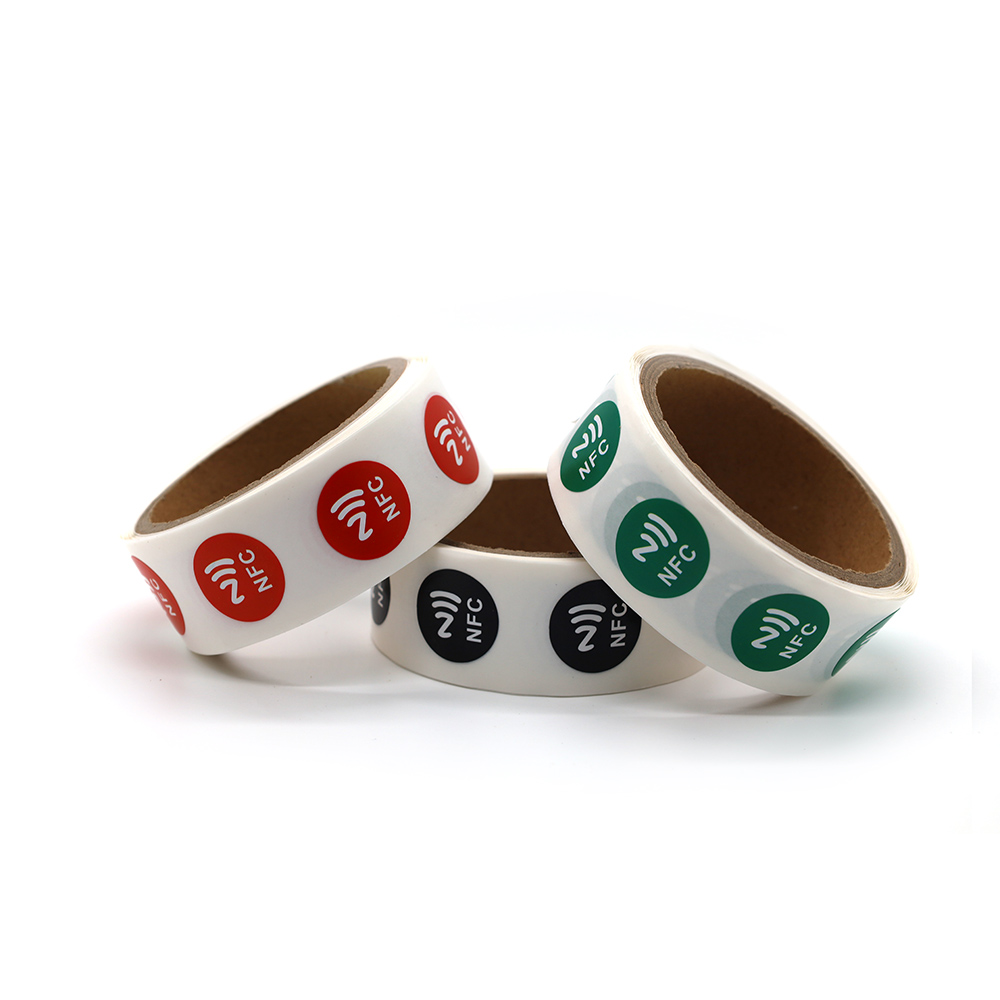
NFC Labels/Stickers
Protocol: NFC Forum Type 2/ Type 4/ Type 5
Reading Distance:typically less than 10cm, ICODE up to 1.5m.
Memory & Transfer:512 bytes – 4KB storage; 106 – 424 kbps transfer rate, balancing speed and efficiency.
Power & Distance:Mainly passive (powered by reader’s RF field), working distance within a few centimeters for secure short-range interaction.
Application Scenarios:Contactless payment, access control, product anti-counterfeiting & traceability, and user engagement (e.g., NFC-enabled marketing links).
Please click to view some Chip(IC) Options, or click to view Video of RFID/NFC Labels.
HF Labels/Stickers
Protocol:ISO/IEC 14443 A;ISO/IEC 15693;ISO/IEC 18000-3
Reading Distance:about 2~10cm
Memory Capacity:Typically 512 bytes to 4KB; suitable for storing basic product info, user data, or access credentials.
Data Transfer Rate:Around 106 kbps to 424 kbps; balances speed and power efficiency for close-range interactions.
Application Scenarios:Widely used in access control, contactless payment (NFC-enabled), library book management, and small-item retail inventory where short-range, secure data exchange is needed.
Please click to view some Chip(IC) Options, or click to view Video of RFID/NFC Labels.

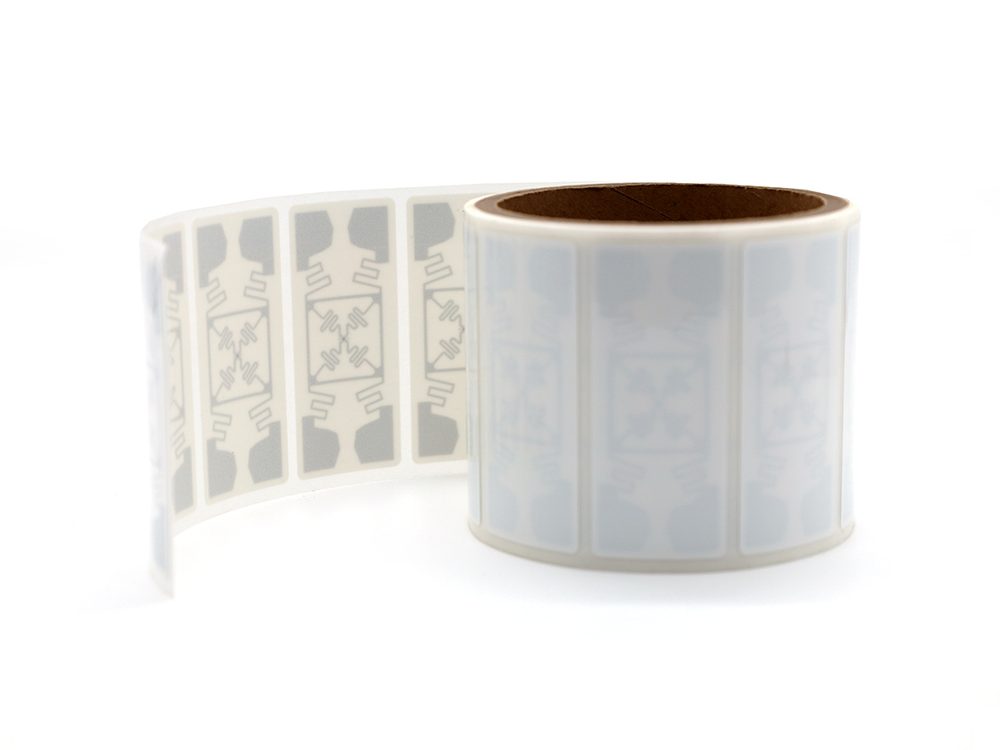
UHF Labels/Stickers
Europe: 865-868 MHz;North America: 902-928 MHz
Different countries may apply varying standards based on their policies (this applies to readers only, not to tags or cards)
Protocol:ISO 18000-6B / 18000-6C (UHF Class 1 Gen2)
Reading Distance:long reading reach up to 15 meters.
Memory Capacity:English: Usually 512 bytes to 64KB; can hold more complex data like detailed product specifications, batch numbers, or supply chain records.
Data Transfer Rate:English: Ranges from 27 kbps to 640 kbps; optimized for fast reading/writing in high-throughput environments (e.g., warehouse inventory scans).
Anti-collision Ability:Advanced protocols (like EPC Gen2) allow simultaneous reading of dozens to hundreds of tags at once without interference; critical for bulk inventory operations.
Please click to view some Chip(IC) Options, or click to view Video of RFID/NFC Labels.
Custom RFID Labels/Stickers
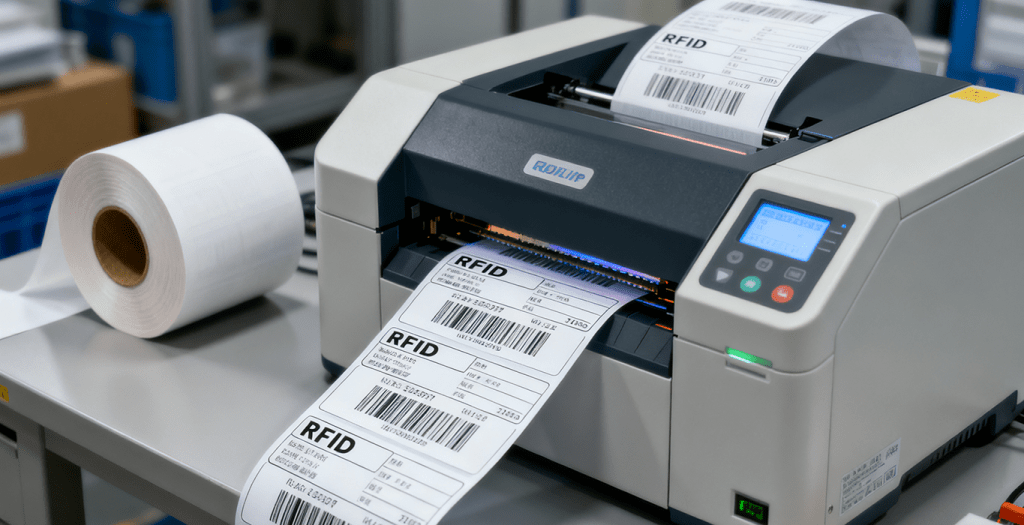
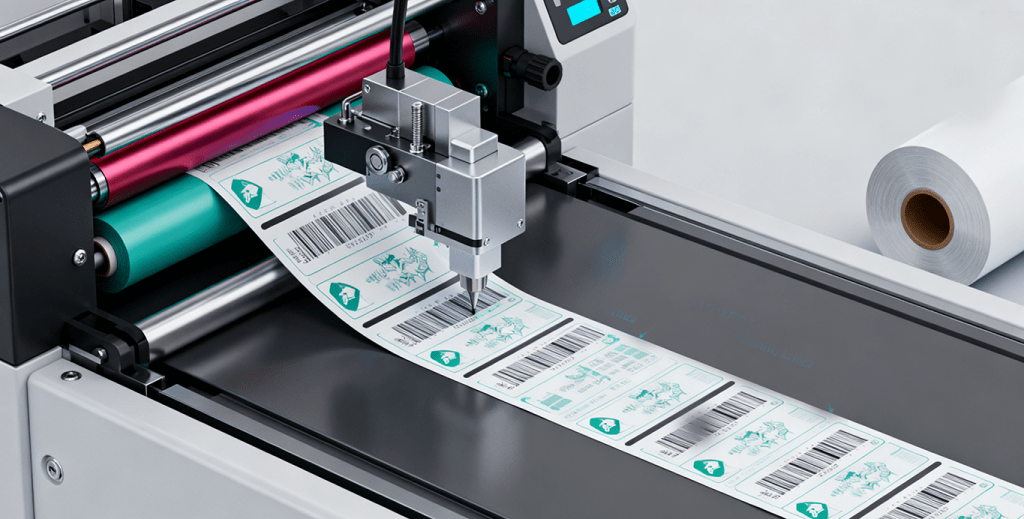
*Available Printing Methods for RFID labels
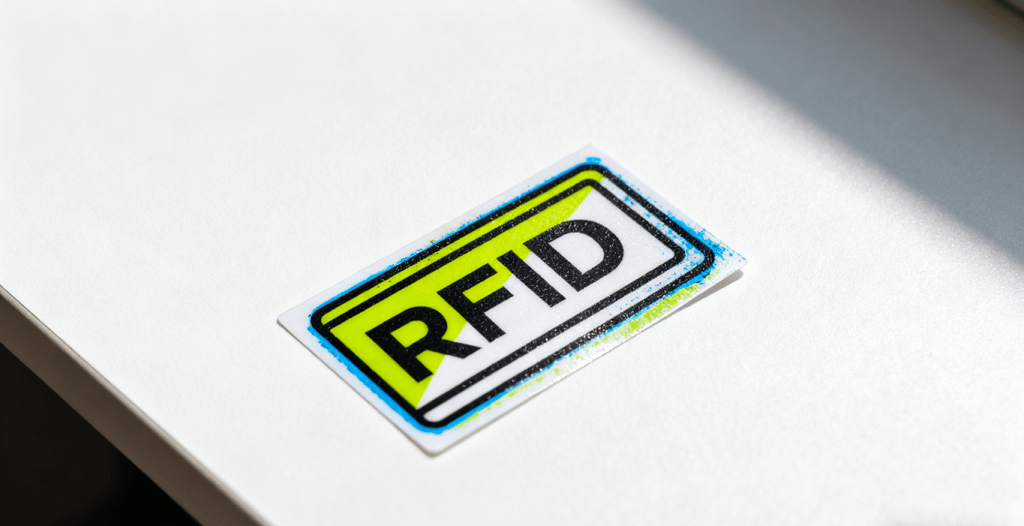
Silkscreen printing – Silkscreen printing is ideal for bold, vibrant logos and designs, especially for large production batches. It provides strong color saturation and excellent durability, making it perfect for branding purposes where visibility and long-lasting quality are essential. This method is commonly used for logos, simple graphics, and solid color patterns.
CMYK offset printing – Offset printing delivers high-resolution, full-color graphics with smooth gradients and fine details. It is perfect for printing detailed artwork, colorful designs, or product packaging that requires a professional and premium appearance. Offset printing ensures consistency across large volumes of labels, making it a reliable choice for complex branding.
Digital printing – Digital printing is highly flexible, suitable for small batches, rapid turnaround, and variable data printing (such as unique serial numbers, QR codes, or IDs per label). It offers cost efficiency for customized or on-demand orders without the need for traditional printing plates.
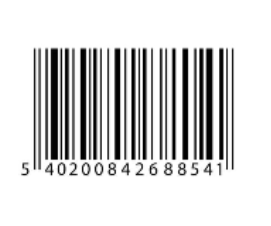
Laser printing – Laser printing enables precise and permanent markings such as barcodes, text, or logos. It is particularly suitable for traceability applications where labels must withstand time, friction, and environmental challenges. The sharp contrast ensures scannability and readability.

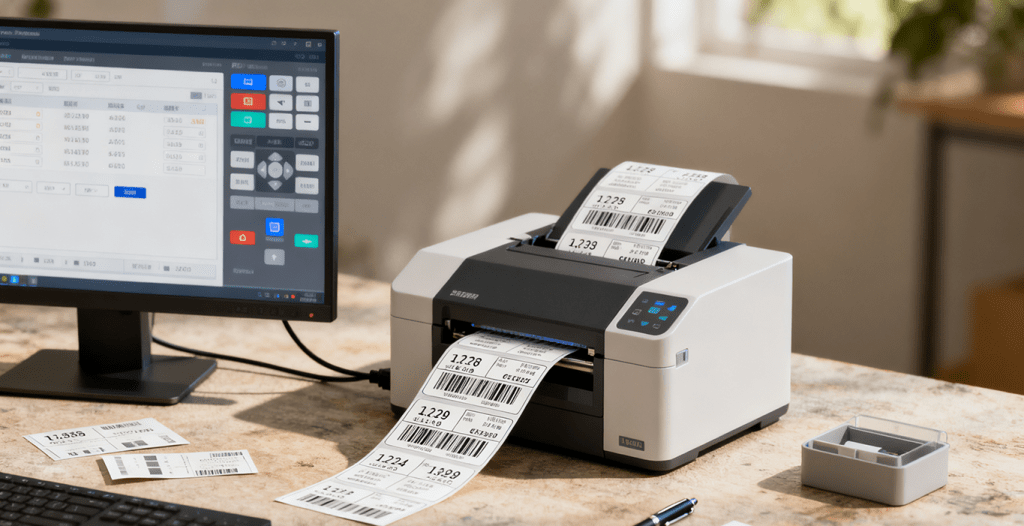

Direct thermal printing – Direct thermal printing offers a fast, ink-free solution for short-term labeling needs. It is especially useful for time-sensitive labels, such as shipping, logistics, or retail, though the prints may fade over time with heat or light exposure.
Thermal transfer printing – Thermal transfer printing creates durable, long-lasting labels with resistance to smudging, moisture, and harsh environments. This makes it a preferred method for industrial applications, asset tracking, and outdoor usage. The print quality remains clear and reliable over time.
Inkjet printing/numbering – Inkjet printing is ideal for on-demand applications that require high-speed and variable data, such as serial numbers, batch codes, or sequential numbering. It provides flexibility for businesses needing efficient, customized printing without sacrificing speed.
Laser Engraving Printing:Laser engraving creates permanent, high-precision markings without ink, producing crisp, detailed edges resistant to wear and smudging. This method is excellent for harsh environments such as hospitals, refineries, or manufacturing facilities, ensuring labels remain readable even under extreme conditions.

*Customizable Options for RFID Labels
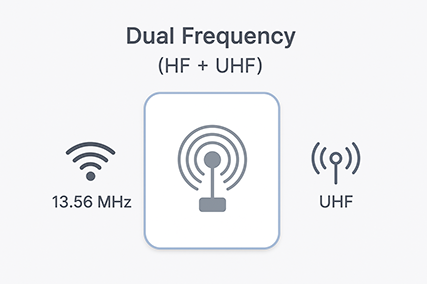
- Dual Frequency (HF + UHF)
- Customized Antenna Design
- Soft UHF Anti-Metal Labels
- Material Options
- Shapes & Sizes
- Appearance & Finishesb
- Adhesives & Backing
Summary
A single RFID label that integrates both HF and UHF technologies for maximum compatibility.
Details
Dual frequency tags are specifically designed to work seamlessly across different infrastructures. This reduces the need for separate HF and UHF labels, lowering total ownership cost and simplifying deployment.
Features & Benefits
- ✅ Compatible with multiple readers and systems
- ✅ Reduces need for dual-labeling or redundant inventory
- ✅ Improves efficiency in cross-border supply chains
- ✅ One-stop solution for global operations
Applications
- Retail: Item-level tagging and checkout automation
- Logistics: Pallet and package identification across regions
- Libraries: Multi-standard book tracking and anti-theft
- Smart Cards: Access control and payment integration
Technical Notes
- Frequency range: 13.56 MHz (HF) + 860–960 MHz (UHF)
- Typical read distance: HF up to 10 cm, UHF up to 5 m
- Works on paper, plastic, or adhesive labels; may require anti-metal layer on metal surfaces
We can tailor antenna shapes, sizes and track geometries to improve read range, orientation sensitivity and performance on specific product surfaces or inside packaging.
Summary
Tailored RFID antennas designed to meet specific performance requirements.
Details
Custom antenna designs optimize read range and stability in unique environments, ensuring strong performance on different surfaces and materials.
Features & Benefits
- ✅ Flexible antenna shapes (round, square, spiral, etc.)
- ✅ Optimized read performance for specific materials
- ✅ Enhanced stability in challenging environments
- ✅ Supports unique branding requirements
Applications
- Industrial automation and assembly lines
- Medical equipment tracking
- Automotive parts identification
- High-security access control
Technical Notes
- Available in HF and UHF versions
- Supports flexible, rigid, and hybrid substrates
- Can be tailored for read ranges from a few centimeters up to several meters
Summary
Flexible RFID labels designed for use on metal or curved surfaces.
Details
These labels feature a special anti-metal layer, preventing signal interference while maintaining strong read performance.
Features & Benefits
- ✅ Effective on metal and curved surfaces
- ✅ Strong adhesion and flexibility
- ✅ Durable in industrial environments
- ✅ Maintains reliable read range despite interference
Applications
- IT asset and server tracking
- Tool and equipment management
- Automotive and aerospace industries
- Curved pipelines or cylinders
Technical Notes
- Frequency: UHF (860–960 MHz)
- Typical read distance: 2–6 m (depending on environment)
- Adhesive: Permanent industrial-grade
Summary
A wide selection of substrates and surfaces for RFID labels.
Details
Labels can be made from paper, plastic, woven fabrics, leather, wood, metal, ceramics, and more, ensuring durability across applications.
Features & Benefits
- ✅ Wide choice of materials
- ✅ Suitable for different environments (indoor/outdoor)
- ✅ Supports high-temperature resistance and special finishes
- ✅ Enhanced durability and customization
Applications
- Retail packaging and branding
- Industrial environments with harsh conditions
- Healthcare and laboratory labeling
- Luxury goods and anti-counterfeiting
Technical Notes
- Paper types: PP, coated, thermal, etc.
- Plastics: PVC, PET, PETG, ABS
- Special materials: leather, wood, ceramic, metal
Summary
Flexible customization of label dimensions and geometry.
Details
Labels can be produced in standard rectangles or circles, as well as irregular die-cut shapes to match product surfaces.
Features & Benefits
- ✅ Wide variety of shapes and sizes
- ✅ Supports unique branding requirements
- ✅ Easy integration with packaging
- ✅ Suitable for irregular surfaces
Applications
- Event tickets and passes
- RFID wristbands
- Electronics and small devices
- Retail and logistics packaging
Technical Notes
- Minimum size: 10 × 10 mm
- Maximum size: custom up to A4 sheets
- Thickness: 0.1–2 mm depending on material
Summary
Multiple visual customization options for branding and aesthetics.
Details
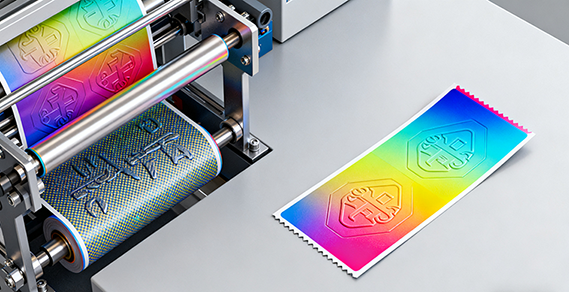
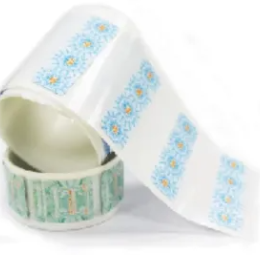
Options include transparent labels, full-color printing, glossy or matte finishes, and plain labels for cost efficiency.
Features & Benefits
- ✅ Matches branding and design standards
- ✅ Supports full CMYK artwork
- ✅ Enhances product presentation
- ✅ Anti-counterfeit features possible
Applications
- Retail packaging and luxury branding
- Event management and ticketing
- Security and anti-counterfeit labels
- Marketing promotions
Technical Notes
- Printing: Silkscreen, offset, digital, laser engraving
- Finishes: Gloss, matte, UV spot, holographic
- Optional invisible ink for security
Summary
Different adhesive strengths for varied applications.
Details
Options include permanent, removable, repositionable, and high-temperature adhesives. Release liners available for automated application lines.
Features & Benefits
- ✅ Adapted to temporary or permanent use
- ✅ Resistant to heat and chemicals
- ✅ Easy application on industrial surfaces
- ✅ Compatible with automated labeling systems
Applications
- Logistics and warehouse management
- Automotive and aerospace industries
- Medical devices and sterilization
- Harsh industrial environments
Technical Notes
- Adhesives: permanent, removable, repositionable
- Specialty liners: for high-speed automated processes
- Temperature resistance: up to 200°C (for special adhesives)
Quick Comparison
| Category | Options | Best For |
| Printing Methods | Silkscreen, CMYK Offset, Digital, Laser, Direct Thermal, Thermal Transfer, Inkjet, Laser Engraving | Branding, artwork, traceability, industrial use |
| Frequency | HF / UHF / Dual Frequency | Different reader systems & multi-purpose |
| Antenna | Standard / Custom | Optimized read range & performance |
| Materials | Paper, Plastic, Fabric, Leather, Metal, Wood, Ceramic | Indoor / Outdoor / Harsh environments |
| Shapes & Sizes | Standard / Irregular / Custom die-cut | Product contours & installation needs |
| Appearance | Transparent / Printed / Non-printed / Finishes | Branding & product aesthetics |
| Adhesive | Permanent / Removable / High-temp | Application & environment requirements |
Various Crafts Options for RFID labels



Don’t leave in a hurry,dear! Please leave your requirements to get exactly what you need..
Please Leave Your Messages Here!