
Medical Services Industry
Medical Services Industry with RFID
RFID Hardware
Cardy Production
- RFID Cards
- RFID/NFC Bracelet/Wistbands , Keyfob
- RFID Tags/Labels
Software System
RFID in Healthcare: Enhancing Safety, Efficiency, and Data Accuracy
The application of RFID technology in the medical industry has greatly improved patient safety, equipment management efficiency, data management accuracy, and supports intelligent medical services and infection control, ultimately improving the overall quality and efficiency of medical services.
- Improve patient safety
- Optimize equipment and medicine management
- Improve work efficiency
- Improve data management
- Enhance infection control
- Simplify checkout and identity verification
- Support smart medical services
- Improve hospital safety
Cardy RFID Cards/Labels Applied in Medical Sector
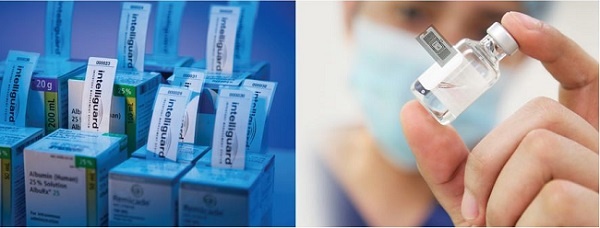
Drug Management
- Expiry & Waste Prevention: Real-time alerts for expiring stock, enabling proactive redistribution or disposal (cuts waste by 20-30% in clinical trials).
- Admin Error Reduction: Nurses scan RFID-enabled packages at the bedside to verify patient ID, dosage, and allergies (reduces medication errors by 40% vs. manual checks).
- Regulatory Compliance: Tamper-evident tags and audit trails ensure full traceability for controlled substances (e.g., opioids) or cold-chain vaccines (critical for FDA/EMA compliance).
- Inventory Automation: Auto-replenish low-stock items and eliminate manual counts (saves 5+ hours/week per pharmacy staff).
Medical Record
- Emergency Readiness: Paramedics scan RFID wristbands in ambulances to pull pre-hospital histories (allergies, chronic conditions) before arriving at ERs.
- Interoperability: Tags sync with multi-hospital systems (e.g., HIE networks in the US), so specialists access unified records across facilities.
- Privacy Guardrails: Role-based access control (via RFID reader permissions) ensures only authorized staff view sensitive data (HIPAA/GDPR compliant).
- Workflow Acceleration: Doctors skip manual EHR logins—simply wave a reader over a patient’s tag to open charts during rounds (saves 2+ minutes per patient encounter).


Medical Device Management
- Real-Time Locating: Track high-value devices (MRI coils, infusion pumps) on interactive maps—no more “lost in storage” (cuts equipment search time by 70%).
- Usage Analytics: Identify underutilized devices (e.g., a $50k ultrasound used twice/month) for redistribution or lease termination.
- Predictive Maintenance: Tags log usage hours and environmental data (temperature, vibration), triggering alerts for calibration or repair before breakdowns (extends device lifespan by 15-20%).
- Theft Deterrence: Geo-fencing alerts if devices leave designated zones (critical for portable assets like ventilators).
Patient Tracking
- Wander Prevention: Geo-fenced alerts if dementia patients or pediatric patients leave secure units (reduces elopement incidents by 80% in pilot studies).
- Care Team Sync: Nurses scan tags before procedures to confirm “right patient, right intervention” (eliminates 90% of ID-related errors).
- Emergency Response: Real-time location data helps triage teams find unstable patients faster during code blues.
- Family Transparency: Secure portals let loved ones see non-sensitive location updates (e.g., “In Radiology”)—improves satisfaction scores.

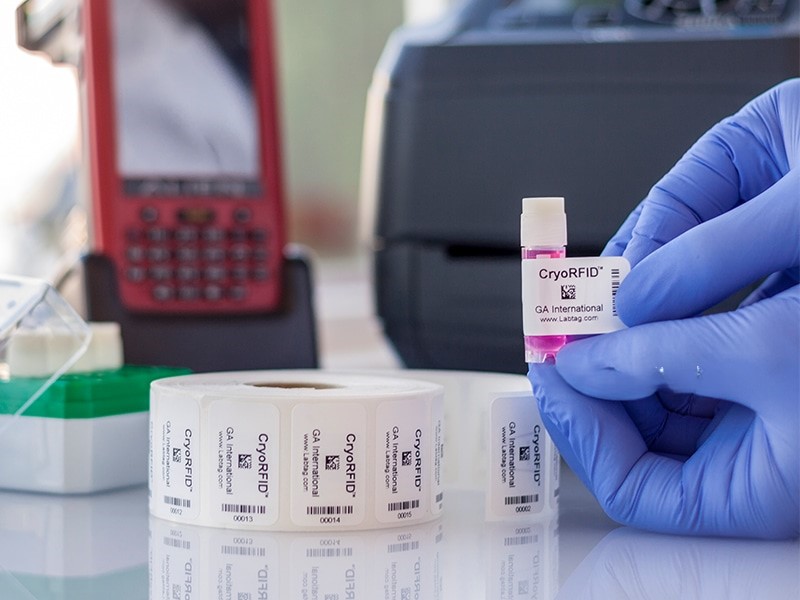
Infection Control
- Contamination Tracing: Track how often isolation room equipment is moved to clean zones (e.g., a contaminated bedrail touching a clean ward).
- Disinfection Proof: Tags log when equipment is sterilized (time, method) and by whom—auditable proof for inspectors.
- Staff Workflow Audit: Monitor if clinicians follow PPE protocols (e.g., did they scan out of a contaminated zone before entering a clean OR?).
- Outbreak Containment: During COVID-19 or antibiotic-resistant outbreaks, RFID data pinpoints transmission chains in hours vs. days (cuts HAI investigation time by 60%).
Patient – Centric Services
- Patient ID Verification: RFID smart cards store patients’ personal information and medical records. This allows for quick and accurate identity verification, preventing cases of misidentification, which could lead to misdiagnosis or medical fraud.
- Medical Insurance Settlement: By embedding insurance information in RFID cards, the process of medical insurance settlement becomes more efficient. It enables direct extraction of insurance data during the treatment process, simplifying the checkout procedure and reducing errors and fraudulent claims.


Hospital Operations Optimization
- Access Control: RFID – based access systems can restrict entry to specific areas of the hospital, such as operating rooms and intensive care units, to only authorized personnel and visitors. This helps to strengthen the hospital’s security.
- Health Monitoring: RFID smart cards can integrate with health monitors. They collect and update patients’ health data in real – time, enabling continuous monitoring of patients’ conditions and more accurate diagnoses.
- Data Storage: RFID cards can store and update patients’ health records and medical histories. This allows doctors to quickly access the necessary information, improving the efficiency of medical services.
Features of Cardy RFID Tags/Cards in Medical Sector
High Accuracy
- Cardy RFID tags/cards read efficiently and accurately, minimizing errors. They work well in complex medical environments, resisting interference from electronic devices and metal.
Durability
- Anti-fouling: Waterproof, resistant to dirt, and durable in hospital cleaning and disinfection.
- High temperature resistance: Stable performance during disinfection and in high temperatures.
Security
- Data encryption: encrypt data to secure sensitive information.
- Anti-tampering: prevent unauthorized tampering or forgery.
Reading and writing distance:
- Supports an optimal range for medical environments, ensuring effective communication.
Reads data without direct contact, enhancing convenience.
Easy to deploy
- The tags are simple to attach to patients, equipment, or medications for efficient management.Fits various scenarios, including wristbands, device labels, and medication packaging.
- The Smart cards are designed to be compact to fit into patient wristbands, medical devices and other applications.Avoid placing additional burden on the patient or equipment.
Data Storage
- able to store necessary medical information, like patient ID, equipment numbers, and drug details.Supports updates and modifications for dynamic medical needs.
Compatibility
- System compatibility: Integrates easily with existing hospital RFID systems and equipment.
- Standardization: Adheres to industry standards for interoperability.